Schedule Inspection
Use the calendar below to select a date & time convenient for you.
APPOINTMENT WINDOW: tech arrival time may vary by +/- 15 minutes (if your appointment is 9:00am, arrival window would be 8:45-9:15am)
Your roof protects your home from Tulsa‘s unpredictable weather, but over time, wear and tear can lead to serious issues. Here are 15 warning signs that signal you might need to repair or replace your roof:

Regular inspections and prompt repairs can save you from expensive damage. If you notice any of these signs, contact a professional roofing contractor for an evaluation. Protect your home and avoid escalating costs by addressing issues early.
Curling and buckling shingles are clear signs of roofing issues in your Tulsa home. Curling shingles lift at the edges, while buckled ones warp and create uneven lines or gaps, leaving your roof vulnerable to further damage.
These issues are often easy to spot from the ground. After a storm, take a moment to inspect your roof – look for shingles that appear to lift, curve, or cast unusual shadows. If you notice these signs, it’s time to take action. Oklahoma’s unpredictable weather can make these problems worse if left unchecked.
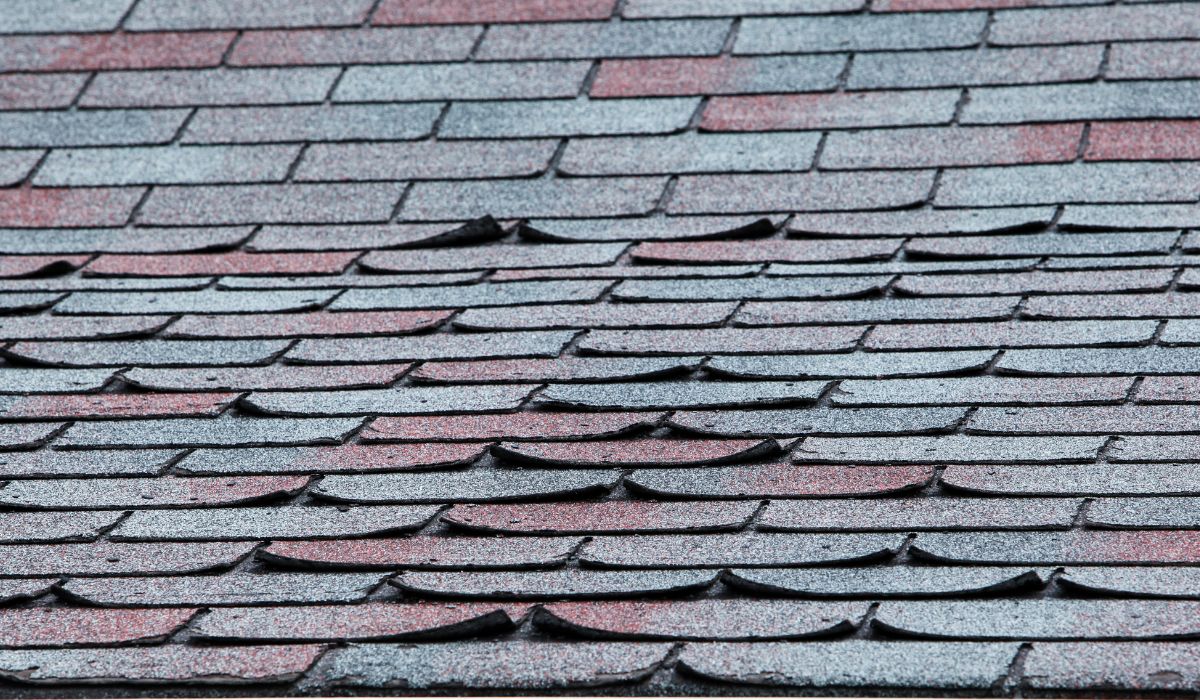
Oklahoma’s weather is notoriously tough on roofs. Between hailstorms, high winds, and relentless sunlight, shingles endure a lot. Hail and wind can weaken the adhesive seals, while prolonged UV exposure dries out shingles, making them brittle and prone to cracking or warping.
In Tulsa, rapid temperature changes add another layer of stress. As shingles lose flexibility, they’re more likely to deform during storms or heatwaves, creating a vicious cycle of damage. Once this starts, it’s hard to stop without professional intervention.
Damaged shingles do more than look bad – they expose the underlying layers of your roof to moisture and UV rays. Over time, this accelerates wear and tear, potentially leading to structural rot.
If left unaddressed, widespread shingle damage can significantly shorten your roof’s lifespan. Worse, the damage often extends beyond the surface, affecting the roof deck or rafters. This can result in costly repairs or even a full roof replacement much sooner than planned.
Curling or buckling shingles create weak spots where water can seep in, especially during heavy rains or wind-driven storms – both common in Oklahoma. Even minor damage can lead to leaks that cause water stains on ceilings or walls, and hidden rot in roof decking or insulation.

For example, after a hailstorm, one Tulsa homeowner noticed curling shingles near the roof’s edge. Not long after, water began leaking into the attic, leaving stains and requiring expensive repairs. A timely inspection and replacement of the damaged shingles could have prevented this.
Inside your home, warning signs like brown stains, peeling paint, or musty odors in the attic often appear weeks or months after the damage occurs. These issues not only compromise your home’s structure but also lead to safety and energy concerns.
Damaged shingles can let water seep into areas with electrical wiring, increasing the risk of short circuits or even fires. Additionally, gaps in your roof’s surface compromise insulation, making it harder to maintain a comfortable indoor temperature.
Curling shingles allow conditioned air to escape and outdoor air to enter, which can drive up your energy bills. Over time, this reduces your home’s efficiency and comfort.
If you spot curling or buckling shingles, document the damage and contact a licensed roofing contractor as soon as possible. Prompt action can save you from more extensive – and expensive – problems down the road.
Cracked or broken shingles are a clear sign that your Tulsa roof may need some attention. These shingles might have splits, fractures, or even missing sections. You could spot dark lines running across them, pieces missing from the edges, or clean breaks slicing through the middle.
When shingles are damaged like this, they lose their ability to protect your home from the elements. Even a small crack can let water seep in, and during the next storm, that minor issue can escalate into a major repair job.

Oklahoma’s unpredictable weather is a big contributor to shingle damage. High winds, for instance, can tear shingles right off your roof or leave them cracked. Winds as low as 45 mph can cause branches to break and lead to slight structural damage.
Hailstorms are another big concern. Hailstones can crack or split shingles, particularly older ones, leaving your roof vulnerable to leaks and further wear. Hailstones larger than 2 inches can even shatter or completely dislodge shingles. What might seem like minor damage after a storm can easily worsen, turning a small crack into a much larger issue over time.
Cracked shingles don’t just look bad – they also weaken your roof over time. Each crack becomes an entry point for moisture, which can seep into the roof deck and insulation below. This moisture can lead to wood rot, compromising the strength of the roof deck. Even small hail damage, if left unchecked, can cause leaks and take years off your roof’s expected lifespan.

Cracked shingles also open the door – literally – for water to enter your home. Unlike some roofing issues that develop slowly, cracks can result in immediate leaks during the next rainstorm, potentially causing damage to your interior spaces.
Damaged shingles can lead to bigger problems fast, so addressing the issue promptly is key. After any storm, it’s a good idea to have your roof inspected and repaired to prevent long-term damage. For added protection, you might want to invest in impact-resistant shingles, which are designed to withstand harsh conditions.
Missing shingles are more than just an eyesore – they’re a red flag that your Tulsa roof is no longer fully protecting your home. These gaps leave your roof exposed and vulnerable to water intrusion. Even a single missing shingle can create an opening for water to seep in, unlike cracked shingles, which might still offer partial protection.

Oklahoma’s extreme weather conditions are tough on roofs. Strong winds can break the adhesive seals holding shingles in place, while hailstorms can crack or puncture them. Often, the damage from hail isn’t immediately visible, but over time, weakened shingles can loosen and fall off. The intense summer heat also plays a role, making shingles brittle and more likely to break during storms. All of these factors combined mean that weather in Oklahoma accelerates shingle loss, leaving your roof increasingly vulnerable.
Missing shingles don’t just look bad – they fast-track your roof’s aging process. Without shingles, the underlayment and roof deck are left exposed to the elements, which can speed up wear and tear. Over time, this exposure weakens the overall structure, leading to problems like rot, mold, and even sagging. What starts as a few missing shingles can quickly escalate into major structural issues if left unchecked.
When shingles are missing, rainwater has a direct path into your home. Storms can drive water through these exposed areas, leading to stains on walls and ceilings. Over time, this moisture can cause hidden damage, such as rotting wood, compromised insulation, and the growth of mold – all of which can be costly to address.

The consequences of missing shingles extend beyond structural damage. They also pose safety risks, as a weakened roof is more likely to fail under stress. Additionally, gaps in your roof can let conditioned air escape, forcing your HVAC system to work overtime. This not only raises your energy bills but also reduces your home’s overall efficiency. For Tulsa homeowners, addressing missing shingles promptly is essential to avoid these cascading problems.
Granule loss is a clear sign that your Tulsa roof might be nearing the end of its service life. These tiny ceramic-coated granules are essential – they shield asphalt shingles from Oklahoma’s tough weather conditions. When you spot bald patches or faded areas, it means the granules are falling off, leaving the asphalt exposed to UV rays, hail, and debris, which can cause significant damage.

Oklahoma’s weather is a major culprit behind granule loss. Frequent hailstorms physically knock granules off shingles. Even small hailstones, about the size of peas, can cause long-term damage. Larger hailstones, which can reach the size of golf balls, lead to even more severe granule loss.
The heat in Oklahoma is another factor. On a typical summer day, when the air temperature hits 90°F, your roof can reach a scorching 160°F. This intense heat, combined with constant UV exposure, makes shingles brittle, loosening the granules over time. Additionally, the daily cycle of heating during the day and cooling at night causes shingles to expand and contract. Over time, this weakens the bond between the granules and the asphalt. These stresses not only dislodge granules but also speed up the aging process of your roof, compromising its ability to protect your home.
When granules are lost, the asphalt layer underneath becomes exposed to UV rays and temperature swings. This exposure makes the asphalt brittle, leading to cracks. Over time, these cracks allow water to seep in, which can damage the underlayment and decking. Unfortunately, this deterioration often goes unnoticed until water stains appear inside your home.

Granule loss doesn’t just affect your roof’s durability – it can also impact safety and energy efficiency. Worn shingles are more likely to fail during severe weather, putting your home at risk. Additionally, as the shingles lose their thermal properties, your HVAC system has to work harder to maintain a comfortable temperature, driving up energy bills – especially during Oklahoma’s scorching summers and unpredictable winters.
To avoid these issues, regular roof inspections are crucial, especially after major storms. If you notice widespread granule loss, it might be more economical to replace the entire roof rather than patching up individual areas. This proactive approach can save you from more expensive repairs down the road.
Finding granules in your gutters is a telltale sign that your roof may be deteriorating. These tiny, sand-like particles come from the protective coating on asphalt shingles. While some granule loss is normal – especially on newer roofs – excessive buildup is a red flag that your shingles are wearing down faster than they should. This issue ties back to the earlier discussion on granule loss.

Oklahoma’s weather is notoriously tough on roofs. Hailstorms, strong winds, and relentless heat can all speed up the loss of granules. After a major storm, it’s common for Tulsa homeowners to notice granules accumulating in their gutters. If this becomes a recurring issue after storms, it’s a good idea to call in a roofing expert.
When granules wash away, shingles lose their protective barrier, leaving the material underneath exposed to the elements. This exposure makes shingles more prone to sun damage, cracking, and faster deterioration. Over time, this can weaken the overall structure of your roof.
Without granules, shingles can’t repel water as effectively. This increases the likelihood of moisture seeping into your roof, which can lead to leaks, water stains on your ceilings or walls, and even rot in your roof deck or attic insulation. Catching this early can save you from costly repairs down the line.

Excessive granule loss isn’t just about leaks – it can also create safety hazards like mold growth and electrical risks. Plus, it reduces your roof’s ability to insulate your home, which can drive up energy costs.
To stay ahead of these problems, inspect your gutters for granule buildup at least twice a year and after severe storms. If you notice a significant amount of granules, don’t wait – schedule a professional inspection to determine whether your shingles need repair or replacement. A little attention now can prevent bigger headaches later.
A sagging roof deck or rafters is a red flag that your Tulsa home needs immediate attention. Unlike minor shingle issues, this structural problem poses serious safety risks and signals that your roof’s support system may be compromised. Spotting sagging areas early is crucial during regular roof inspections. If you notice dips, bowing, or uneven sections along your roofline, it’s time to act quickly.

Sagging typically appears as uneven edges or a warped roofline visible from the ground. These changes hint at underlying structural weakening. Left unaddressed, sagging can lead to leaks and further structural damage.
Oklahoma’s weather is tough on roofs. The state’s scorching summers, freezing winters, and frequent storms speed up the wear and tear on roofing materials. Tornadoes, hailstorms, and high winds add even more stress.
"Oklahoma is known for its hot summers, cold winters, tornadoes, hailstorms, and high winds. These varying elements each play a role in deteriorating roofing materials faster than in more temperate climates." – Nation’s Best Roofing [13]
Hailstorms are especially damaging, with Oklahoma ranking among the top states for hail activity [13]. Hail can dent or puncture roofing materials, creating vulnerable spots for water entry. Over time, repeated exposure to moisture can saturate the roof deck and weaken the support beams, leading to sagging.
High winds worsen the problem by tearing off shingles and damaging flashing, leaving your roof exposed. Meanwhile, the constant cycle of heat expansion and cold contraction adds strain to an already stressed structure.
Sagging is often a sign of deeper structural problems. Water infiltration weakens wooden components, making them lose their strength and stability. This uneven weight distribution can cause further damage across the roof and even impact your home’s walls and foundation.

A sagging roof deck creates low spots where water can collect instead of draining properly. This standing water can seep into your home, damaging walls, ceilings, and insulation. In Oklahoma’s humid climate, the risk of mold growth becomes a serious concern.
Sometimes, interior warning signs like water stains on ceilings, cracked walls, or misaligned doors and windows appear before you notice sagging from the outside. These are often clues that the roof structure is shifting due to water damage.
A sagging roof isn’t just an eyesore – it’s a safety hazard. In severe cases, the structure could partially or completely collapse, putting your family at risk. Even before reaching that point, instability can cause falling debris or unsafe attic conditions.
Beyond safety, a sagging roof can hurt your home’s energy efficiency. Damaged areas disrupt insulation, letting conditioned air escape and outdoor air seep in. This forces your HVAC system to work harder, driving up energy costs.
If you notice any signs of sagging, don’t wait. Contact a professional roofing contractor for a full structural assessment. While temporary fixes might slow water damage, sagging usually requires major repairs or a full replacement to restore safety and stability. Next, we’ll look at other warning signs that may indicate the need for extensive roof repairs.
Roof leaks and water stains are some of the clearest signs that your Tulsa home might need a new roof. If you notice discoloration on your ceilings or walls, it’s a signal that water has already made its way through your roof and into your home. What’s tricky is that these stains often show up far from the actual source of the leak. Water tends to travel along rafters or insulation before it becomes visible, making it crucial to investigate further when you spot these signs.

Inside your home, common indicators include water stains on ceilings or walls, peeling paint or wallpaper, damp spots, and musty odors. These symptoms often point to issues like damaged shingles, faulty flashing, or worn-out sealants around roof penetrations such as vents or chimneys. Even minor stains shouldn’t be ignored, as they could signal deeper problems.
Oklahoma’s unpredictable weather – ranging from thunderstorms and hail to high winds and extreme heat – takes a toll on roofs. These conditions don’t just cause direct damage to shingles; they also speed up wear and tear, creating gaps that make leaks more likely. Once a leak starts, the harsh weather can make the damage worse, emphasizing the importance of addressing issues quickly.
Ongoing leaks can significantly shorten your roof’s lifespan and lead to widespread structural damage. Water intrusion can rot wooden rafters, weaken the roof deck, and reduce insulation effectiveness, resulting in sagging areas and even a potential roof collapse. This kind of damage often forces homeowners to replace their roofs much earlier than expected. Additionally, water-damaged wood loses its stability, creating safety risks throughout the house.
Mold and mildew can start forming within just 24–48 hours of a leak, posing serious health risks for your family. The damp, warm environment caused by water damage creates the perfect conditions for these harmful organisms to thrive. Once mold takes hold, it can spread quickly through your home’s ventilation system, affecting air quality and potentially requiring expensive professional remediation.
The damage doesn’t stop at the roof. Moisture can seep into drywall, insulation, flooring, and even electrical systems, creating fire hazards and necessitating extensive repairs. While minor roof repairs might cost between $300 and $1,200, the price can skyrocket if the water damage affects structural components or interior finishes.

Roof leaks bring immediate safety concerns. Water near electrical wiring can lead to fire or electrocution risks, while mold growth can trigger allergies and respiratory issues. Prolonged leaks can even weaken ceilings to the point of collapse, putting your family in danger.
Leaks also take a toll on your home’s energy efficiency. Water-damaged insulation loses its ability to retain heat or cool air, forcing your HVAC system to work harder to maintain comfortable temperatures. This extra strain can lead to noticeably higher utility bills over time.
If you spot any signs of leaks or water stains, it’s crucial to act quickly. Document the affected areas and reach out to a professional roofing contractor for a full inspection. While temporary fixes like buckets or tarps can help limit damage in the short term, only proper repairs will resolve the issue. Early detection and timely intervention are key to protecting your home from escalating problems.
Flashing refers to the thin metal material installed around areas of your roof that are more prone to leaks, like chimneys, vents, skylights, and where roof planes intersect. When flashing gets damaged or starts to wear out, it creates an open invitation for water to seep into your home. The tricky part? Minor damage can often go unnoticed until it turns into a bigger issue. Catching these problems early can make all the difference.
Some telltale signs of flashing trouble include rust, cracks, warped or loose pieces, and dark stains that hint at water seeping through. Pay close attention to spots around chimneys, roof valleys, and vent openings, as these areas are especially vulnerable.

Oklahoma’s wild temperature swings – where it can jump from 75°F to 30°F in a single day – can really take a toll on flashing. These extreme shifts cause the metal to expand and contract repeatedly, which weakens it over time. In areas exposed to direct sunlight, flashing heats up and expands faster than the surrounding shingles, often leading to separation and gaps. Add in hailstorms that dent or puncture the metal, and high winds that can bend or lift it, and you’ve got a recipe for flashing failure.
Damaged flashing is just as concerning as missing or broken shingles. When flashing is compromised, it can allow water to seep into your home, leading to leaks and unsightly stains on ceilings or walls. If cracks or gaps form, water can infiltrate deeper into the roof system, eventually causing visible damage indoors. For example, flashing issues around chimneys can result in water affecting both the roof structure and interior spaces. Similarly, problems with flashing in roof valleys can lead to widespread water damage during heavy rainstorms.
Flashing that’s allowed to deteriorate can have a serious impact on your roof’s overall lifespan. Once water gets past the flashing, it can reach parts of your roof that are meant to stay dry, leading to wood rot, weakened rafters, and other structural problems. Over time, this can compromise the entire roof system, potentially requiring costly repairs or even a full roof replacement much sooner than anticipated.

To avoid these issues, inspect flashing regularly and seal any small gaps with roofing sealant. If the damage is severe, replace the affected sections entirely. After repairs, ensure the flashing is securely fastened and properly sealed to prevent future problems. Because flashing plays such an essential role in protecting your home, it’s often best to bring in a professional for inspections and repairs. Ignoring flashing problems can speed up your roof’s decline, so addressing them promptly is key.
Noticed green patches, dark streaks, or fuzzy growths on your roof? These could be early signs of trouble. While they might seem like just a cosmetic issue, moss, mold, and algae can cause serious damage to your roof over time. Ignoring them could lead to costly repairs or even structural problems.

Moss typically forms thick green mats in shaded areas, while algae show up as dark streaks, especially on north-facing sections. Mold, on the other hand, appears as black or dark green colonies in spots where moisture collects. All three thrive in damp environments and can spread rapidly if left unchecked. For homeowners in Tulsa, this is especially concerning given the region’s challenging weather.
Oklahoma’s climate creates the perfect breeding ground for moss, mold, and algae. High humidity, frequent rains, and intense summer heat combine to encourage their growth. Storms often leave behind organic debris and moisture, which act as a feeding ground for these organisms. The warm, humid conditions that follow allow spores to multiply quickly, making the problem worse compared to drier or cooler regions.
These growths do more than just hurt your home’s curb appeal – they can seriously impact your roof’s lifespan and structural integrity. Moss is particularly damaging because it traps moisture against the shingles, speeding up their deterioration and even causing them to lift. Mold and algae also weaken roofing materials over time, potentially compromising the roof deck. This can lead to early roof replacement and expensive repairs.
Moss and mold are notorious for trapping moisture, which can lead to leaks and wood rot in the roof deck and rafters [2]. While algae are less likely to cause direct leaks, their presence reduces the effectiveness of shingles, leaving your roof more vulnerable to water intrusion during Tulsa’s frequent storms.
Moss and mold don’t just damage your roof – they also create safety risks. A moss-covered roof becomes dangerously slippery, increasing the chance of falls during maintenance. Mold spores can also enter your home through leaks, potentially triggering respiratory issues for those with allergies or asthma [2].

Additionally, these organisms darken your roof’s surface, causing it to absorb more heat. This raises attic temperatures, leading to higher cooling costs in Oklahoma’s sweltering summers. Moss can also block proper water drainage, which may leave insulation damp and less effective, further driving up energy bills. Worse yet, unchecked growth can hide underlying damage, delaying necessary repairs and increasing the risk of sudden roof failure.
Roof vents play a crucial role in maintaining proper attic ventilation, but they can take a hit when severe weather rolls through. Cracks, dents, or missing vents often point to weather-related damage, and if a vent is torn off entirely, it leaves your roof vulnerable to further issues.

Living in Oklahoma, right in the heart of Tornado Alley, means your roof vents face some serious challenges. Hailstorms – especially those in spring and summer – can wreak havoc. Hailstones range from the size of peas to softballs, and anything over 1 inch can easily dent, crack, or even knock vents loose. On top of that, strong winds have the power to rip vents right out of their mountings. When vents are damaged or missing, your attic’s ventilation suffers, which can lead to bigger problems for your roof down the line.
Gutters play a vital role in protecting your roofing system. When they sag, detach, or get clogged with debris, they can’t effectively do their job – leaving your home vulnerable to water damage.

When gutters sag, it’s a sign that water isn’t draining as it should. Instead of channeling rainwater away from your home, damaged gutters may allow water to pool near the foundation or back up onto the roof. This can lead to water seeping beneath shingles, creating potential damage. The problem becomes even worse when extreme weather is added to the mix.
Living in Oklahoma means dealing with the challenges of Tornado Alley. Severe storms, high winds, and hail are common here, and these weather conditions can wreak havoc on gutters. High winds can bend or loosen gutters and also fill them with debris like leaves and branches, causing clogs. During heavy spring and summer rains, clogged gutters can overflow, leading to water backups and further damage.
"When gutters are working right, they move rainwater off your roof and away from your house… With the wild weather we get, from downpours to strong winds, gutters help guide the water where it needs to go, saving your roof from big damage and extending its life." – McCann’s Roofing & Construction
When gutters fail, they can kick off a chain reaction of problems that shorten your roof’s lifespan. Poorly functioning gutters allow water to collect around your foundation, which can lead to erosion and weaken your home’s structural stability. Water backing up under shingles can also cause leaks, damaging the roof deck, insulation, and even interior walls.
Neglected gutters don’t just harm your roof – they can threaten your entire home. Water pooling near the foundation can lead to structural issues, while clogged gutters force water to find alternative paths, often resulting in interior leaks. Keeping your gutters in good shape is essential to protecting both your roof and your home’s overall structure.

Routine maintenance is a must. Make it a habit to clean your gutters at least twice a year, ideally in spring and fall. Remove debris like leaves and twigs, check for leaks at joints and corners, ensure downspouts are clear, and tighten any loose hangers or brackets to keep your gutters securely in place.
Spotting sunlight streaming through your attic is a clear sign that your roof has significant gaps in its materials, decking, or underlayment. This is a serious warning that your roof’s protective barrier has been compromised, leaving your home vulnerable to the elements.

Oklahoma’s weather is notoriously tough on roofs. Hailstorms can puncture shingles and the layers beneath, while strong winds often lift or completely dislodge shingles, exposing the roof deck. Add to that the intense summer heat, which frequently soars above 100°F, and you’ve got a recipe for rapid wear and tear. The constant expansion and contraction caused by extreme temperature changes can lead to warping, cracking, and eventual failure of roofing materials, creating gaps and holes over time [2].
When sunlight peeks through roof boards, it’s a strong indicator that your roof’s protective capabilities are failing. This often signals that the roof is nearing – or has already reached – the end of its lifespan. In Oklahoma, where weather conditions are harsh, an asphalt shingle roof, which typically lasts 15–20 years, may not even make it to the lower end of that range.
As the roof deteriorates, its structural integrity weakens, opening the door for water, debris, and even pests to infiltrate. The damage doesn’t stop there – it can extend to the decking, rafters, and other support structures, leading to costly repairs if not addressed promptly [2].
If sunlight can find its way through your roof, water can too. During Oklahoma’s frequent rainstorms, these gaps and holes allow water to seep in, causing immediate issues like leaks and water stains on ceilings or walls.
Unchecked water intrusion is one of the leading causes of mold growth and structural rot in homes. Repair costs can skyrocket the longer the problem is ignored. Once water seeps in, it can rot roof decking, ruin insulation, and create an ideal environment for mold, which poses serious health risks. Spotting these issues early is key to avoiding more extensive damage, just as with other roofing problems we’ve discussed.

Gaps that let in sunlight are more than just cosmetic issues – they pose significant safety risks. They weaken storm protection and allow conditioned air to escape while letting outside air in. This forces your heating and cooling systems to work harder, driving up energy costs. Meanwhile, ongoing water intrusion can lead to structural damage and mold exposure, both of which threaten the safety and health of those in your home [2].
If you notice sunlight shining through your roof boards, don’t wait – reach out to a professional for an inspection. Even small openings can quickly escalate into major problems, inviting water, pests, and higher repair bills down the line.
When a roof outlives its intended lifespan, it often hides problems that can jeopardize your home’s safety. This natural wear and tear over time increases risks, as explained below.

Oklahoma’s extreme weather can take a serious toll on your roof, especially if it’s already aging. For example, asphalt shingles – commonly used in Tulsa – are designed to last about 20–25 years under normal conditions. However, the region’s severe weather can cut that down to 15–20 years. Hailstorms can dent or crack shingles, high winds may tear them off, and the scorching summer heat (with temperatures often exceeding 100°F) can dry out materials, making them brittle. The constant cycle of expanding and contracting due to temperature swings also leads to cracks and curling over time.
As your roof ages, its structural integrity begins to falter, often without obvious signs. The materials lose their ability to keep water out, leaving the decking and rafters exposed to potential damage. Over time, this can result in sagging, weakened decking, and even compromised rafters. Water infiltration becomes a bigger issue, leading to wood rot, damaged insulation, and even electrical problems. If left unchecked, these issues can escalate into costly repairs – or, in severe cases, a partial roof collapse [2].

Older roofs are far more prone to water damage. Cracked, curled, or missing shingles create easy entry points for rainwater. In Oklahoma, water damage from roof leaks ranks among the top five most common and expensive insurance claims for homeowners. Repair costs typically range from $3,000 to $10,000 [2]. Even small leaks can leave behind stains, promote mold growth, and ruin insulation, creating a snowball effect of problems.
Beyond structural and water issues, an aging roof can lead to safety hazards and reduced energy efficiency. As materials wear out, they lose their insulating ability, which can drive up energy bills. Weakening structural supports also increase the risk of roof failure. Additionally, water leaks can lead to mold growth, which impacts indoor air quality and poses health risks. Many insurance companies won’t cover roofs over 20 years old unless you can show proof of recent inspections or maintenance, leaving you financially exposed.
If your roof is nearing or past 20 years, consider scheduling a professional inspection. Addressing potential problems now can save you from more expensive repairs – and ensure your home stays safe and secure.
If your energy bills are climbing without explanation, your roof might be the culprit. A roof that’s damaged or aging can lose its ability to properly insulate your home, leaving your heating and cooling systems to work harder than they should to maintain a comfortable indoor temperature.

Local weather conditions can worsen this issue, especially in areas prone to extreme heat, hail, and strong winds.
Oklahoma’s scorching summers, with temperatures often exceeding 100°F, can warp shingles and strip away their protective granules. Hailstorms may crack shingles or knock them loose, and high winds can lift them entirely. When shingles are compromised, conditioned air escapes more easily, increasing energy use and driving up utility costs. These weather impacts not only affect how your roof looks but also how well it performs.
The U.S. Department of Energy estimates that up to 25% of a home’s total energy loss can occur through the roof. In homes with poor attic insulation or ventilation, this number can rise even higher, with energy bills increasing by 10–20% or more during peak heating and cooling seasons [2]. Warning signs include sudden spikes in your utility bills, rooms that feel drafty or fail to maintain a consistent temperature, and even daylight visible through attic spaces – clear indicators that your roof isn’t holding up.

A damaged roof can also let water seep in, soaking attic insulation and reducing its effectiveness. This moisture can lead to mold, wood rot, and structural problems, putting your home’s safety at risk.
If your energy bills surge after severe weather, it’s a good idea to schedule a professional roof inspection. Addressing small issues early can prevent costly repairs down the road.
Peeling paint or wallpaper often points to water seeping in due to roof damage. While it might be tempting to chalk it up to normal wear and tear, the real issue is usually water intrusion, especially in areas like Oklahoma where the weather can be harsh and unpredictable.

Oklahoma’s extreme weather conditions speed up roof wear and tear, which can lead to interior problems. Quick shifts in temperature put stress on your roof and, in turn, your home’s interior surfaces. For instance, during rainy seasons, high humidity levels can interfere with paint drying properly, leading to poor adhesion or even mildew growth. On the flip side, intense heat can dry paint too fast, leaving behind brush marks and weak adhesion.
This combination of weather-related stress not only damages your roof but also leaves visible signs inside your home.
When paint or wallpaper starts peeling, it’s often a sign that water has found its way inside. Damaged shingles allow moisture to penetrate the roof deck, which can then reach interior walls and ceilings. Wallpaper is particularly vulnerable – its adhesive tends to fail quickly when exposed to moisture, often showing bubbling or lifting corners before paint issues become apparent.

The problem goes beyond aesthetics. Prolonged exposure to moisture can lead to mold growth and wood rot, both of which can weaken your home’s structure.
If you spot peeling paint or wallpaper – especially near the roofline – don’t delay. Reach out to a roofing professional for an inspection. Acting quickly can help you avoid further damage. Also, keep in mind that most water-based paints require temperatures between 35–90°F for proper application, so plan repairs during suitable weather conditions.
When choosing a roofing material that can handle Tulsa’s unpredictable and severe weather, it’s important to weigh costs, durability, and performance. Here’s a detailed breakdown to help you make an informed decision:
| Material | Lifespan (Years) | Cost per Sq. Ft. | Wind Resistance | Key Benefits |
|---|---|---|---|---|
| Asphalt Shingles | 15–30 | $5.00 | Up to 130 mph | Affordable, versatile, and available in wind and hail-resistant options |
| Metal Roofing | 40–70 | $10.00–$18.00 | Up to 140 mph | Extremely durable, energy-efficient, and storm-resistant |
| Concrete Tile | 50+ | $10.00 | Up to 150 mph | Long-lasting, stylish, and helps with energy savings |
| Terra Cotta Tile | 50+ | $15.00–$20.00 | Up to 150 mph | High-end look paired with excellent durability |
| Wood Shingles | 20–25 | $6.50–$11.00 | Moderate | Natural aesthetic with decent insulation properties |
| Slate | 75–100 | $10.00–$75.00 | Excellent | Unmatched longevity and top-tier fire resistance |
While asphalt shingles are a budget-friendly choice and has many roof options to choose from, their lifespan is shorter compared to premium options like metal, tile, or slate. Investing in more durable materials can save money in the long run by reducing energy costs and minimizing the need for repairs or replacements. A poorly maintained roof can lead to insulation problems, increasing energy expenses over time.
Your roof plays a vital role in protecting your Tulsa home from the elements, and addressing potential issues early can save you from costly repairs down the line. Even small problems, like missing shingles, can quickly escalate into water damage, mold, or even structural concerns if left unchecked.
Routine professional inspections are key to catching these issues before they spiral into emergencies. Unfortunately, many homeowners wait until major leaks or visible damage occur, leading to expensive, last-minute fixes that could have been avoided with regular maintenance.
At Arrowhead Roofing, we’ve been serving Tulsa since 1987, leveraging decades of experience to tackle the unique challenges of the local climate. Our team is here to help you properly install roof, spot problems early, offering free, no-obligation inspections to evaluate your roof’s condition. Whether you need a minor repair or a full replacement, we provide honest recommendations to keep your home safe and secure.
Don’t wait for water damage or rising energy bills to alert you to a problem. Take action today by scheduling your free roof inspection. Call us at (918) 743-9257 or visit www.arrowheadroofing.com to protect your home and family before small issues turn into big headaches.
When deciding between repairing your roof or replacing it entirely, the choice often hinges on the level of damage and the roof’s age. If you’re dealing with extensive issues – like cracked, curling, or missing shingles across large areas – or if the roof is sagging, a full replacement might be the smarter move. Similarly, if your roof is approaching the end of its expected lifespan (typically 15-20 years for asphalt shingles), it may no longer offer reliable protection, even with repairs.
Other warning signs, such as repeated leaks, noticeable granule loss, or visible wear and tear, can signal that repairs won’t suffice. To make the best decision, consider scheduling a professional roof inspection. An expert can evaluate the damage and recommend the safest and most cost-effective solution for your home.
Oklahoma’s weather is no joke when it comes to roofs. With high winds, hailstorms, scorching heat, and heavy rain, roofs in this state face a tough battle. That’s why picking the right roofing material is so important to handle these extreme conditions.
For protection against hail and wind, impact-resistant asphalt shingles with a Class 4 rating are a solid choice. They’re known for being tough and long-lasting. Another excellent option is metal roofing, which can handle winds up to 140 mph, resist hail damage, and perform well even in areas prone to tornadoes.
When deciding on roofing materials, prioritize features like impact resistance, storm durability, and heat reflectivity. These qualities will help ensure your roof can handle Oklahoma’s harsh weather and keep your home safe for years to come.
To keep your roof in great shape, make it a priority to schedule a professional inspection once a year. With Tulsa’s unpredictable weather – ranging from intense storms to extreme seasonal changes – your roof can sustain hidden damage. It’s also smart to inspect it after any major storm or severe weather event.
These regular check-ups can spot small problems, like loose shingles or minor leaks, early on. Addressing these issues promptly can save you from expensive repairs down the road and help maintain your home’s value.
