Schedule Inspection
Use the calendar below to select a date & time convenient for you.
APPOINTMENT WINDOW: tech arrival time may vary by +/- 15 minutes (if your appointment is 9:00am, arrival window would be 8:45-9:15am)
Choosing between standing seam and corrugated metal roofing depends on your budget, style preferences, and durability needs. Here’s a quick breakdown:

Quick Comparison Table:
| Feature | Standing Seam Metal Roof | Corrugated Metal Roof |
|---|---|---|
| Appearance | Modern, sleek | Rustic, industrial |
| Fasteners | Concealed | Exposed |
| Lifespan | 40–70+ years | 30–45 years |
| Cost (Installed) | $10–$16 per sq ft | $7–$12 per sq ft |
| Maintenance | Minimal | Moderate |
| Weather Resistance | High | Good |
| Installation | Complex (professional) | Easier (DIY possible) |
Both options are durable and energy-efficient, but standing seam roofs offer superior longevity and weather protection, making them ideal for Tulsa’s harsh climate. Corrugated roofs, while less expensive, require more upkeep and are better suited for budget-conscious projects or rural aesthetics. For professional guidance, contact Arrowhead Roofing at (918) 743-9257.
Standing seam metal roofing is a high-end system made up of vertical interlocking panels with raised seams. What sets it apart is its concealed fastener design, which creates a seamless, watertight barrier across the roof. This setup eliminates exposed fasteners, significantly reducing potential leak points.

These roofs are constructed using metal panels crafted from materials like steel, aluminum, or copper. Installation starts at the eaves and works upward toward the ridge, with each panel extending from the bottom to the top of the roof.
The system’s vertical legs and raised seams form a continuous seal along the roofline. Hidden fasteners – whether snap-lock, mechanical seam, or batten styles – ensure strong weather resistance and can be customized to meet specific needs or adapt to local weather conditions.
Standing seam metal roofs are known for their incredible durability, often lasting 40 to 70 years or more with proper care. This longevity far surpasses that of asphalt shingles, which typically require replacement every 15 to 20 years.
The concealed fastener design is another major advantage, offering excellent leak protection. Since the fasteners don’t penetrate the flat surface of the panels, there are fewer weak points where water could seep in.
"A standing seam metal roof is becoming increasingly popular across modern commercial and residential builds. It’s a type of concealed fastener metal panel system that offers all the traditional benefits of metal roofing in addition to a little more durability when it comes to safeguarding your home against leaks." – Metal Sales
These roofs are also low-maintenance compared to other materials. Their smooth surface naturally sheds debris, cutting down on the need for frequent cleaning or repairs.
Another standout feature is energy efficiency. Standing seam metal roofs can reflect up to 70% of the sun’s rays, which can reduce cooling costs by as much as 40%. This is especially helpful during Tulsa’s sweltering summers when air conditioning bills can skyrocket.
Tulsa’s unpredictable weather makes standing seam metal roofing an ideal choice for both homes and businesses. This system’s durability and weather resistance can handle the area’s heavy rains, snow, and even hurricane-force winds.

The energy-saving benefits are particularly appealing for commercial properties, where high utility costs can eat into profits.
"These panels lock in tight, they shed water like nobody’s business, and they’re built to last decades. No exposed fasteners, no flimsy sealants trying to hold everything together. Just clean lines and solid protection." – RainTech Roofing
Standing seam systems also offer a sleek, versatile design that pairs well with various architectural styles across Tulsa. Whether it’s a modern commercial building downtown, a classic Brookside home, or an industrial facility, this roofing solution adds a polished, professional look while boosting curb appeal.
For property owners in Tulsa looking for a durable, low-maintenance roofing option, standing seam metal roofs provide long-lasting performance and protection. They’re built to withstand Oklahoma’s harsh weather while maintaining their appearance for decades. Next, we’ll dive into corrugated metal roofing and how it stacks up against standing seam systems.
Corrugated metal roofing is crafted from roll-formed metal sheets shaped into a wavy, ridged "S" profile, which enhances its strength and durability. Unlike standing seam systems, it features exposed fasteners, meaning the screws are visible on the surface of the panels. This design not only gives it a distinct look but also affects how it’s installed and maintained. Historically, this type of roofing has played a significant role in American construction. Common materials include steel, aluminum, and galvanized iron, often coated to resist rust. These panels are available in various profiles, with the 7/8" corrugated style being a popular choice for roofing projects.

Corrugated metal roofs are built using an exposed fastener system. The metal sheets are shaped into repetitive ridges and grooves that help direct water off the roof efficiently. Installation involves securing the panels directly to the roof deck or purlins with visible screws and rubber washers. While the process is relatively simple, it requires precise sealing to prevent water leaks.
The ridged design not only adds strength but also channels rainwater effectively toward gutters and downspouts. Common panel types include 7/8" corrugated and 1/2" corrugated, with the measurements referring to the depth of the ridges.
Corrugated metal roofing stands out for its affordability. It typically costs about half as much to produce as standing seam metal roofing. Durability is another major advantage, with a lifespan of 40 to 70 years when properly maintained.
The exposed fastener system simplifies installation, keeping labor costs lower. This type of roofing is also incredibly versatile, used for commercial buildings, agricultural structures like barns, and residential properties that embrace a rustic or industrial vibe. Its classic look complements farmhouse designs, industrial aesthetics, and even some modern architectural styles. Additionally, its ability to handle severe weather makes it a practical option for areas like Tulsa.
Corrugated metal roofing is well-suited for Tulsa’s challenging weather conditions, offering a balance of affordability and resilience. These roofs can withstand winds up to 140 mph, making them a reliable choice for Oklahoma’s storms and occasional tornadoes.

For property owners focused on cost-effectiveness and durability, corrugated metal is an excellent option. It’s especially ideal for outbuildings, garages, and rural homes, where its rustic appearance enhances the overall design. Its fire resistance and ability to endure hail add to its appeal in Tulsa. While corrugated metal panels may require more frequent inspections and maintenance compared to standing seam systems, they can deliver decades of dependable protection with proper care. Plus, they pair well with solar panel systems, offering long-term value for eco-conscious homeowners.
Choosing the right roofing system for your Tulsa property starts with understanding the core differences between these two options. Each type of metal roof caters to distinct needs, preferences, and budgets.

The biggest differences lie in appearance and construction. Standing seam roofs feature concealed fasteners hidden beneath interlocking panels, giving them a sleek and modern aesthetic. On the other hand, corrugated metal roofs use exposed fasteners, which create a more industrial or rustic look.
When it comes to cost, standing seam systems are 30% to 40% more expensive than corrugated metal roofs. However, this higher upfront cost often translates into long-term savings through reduced maintenance and a longer lifespan.
Durability is another key factor. Standing seam roofs can last 75+ years, while corrugated metal roofs typically offer a lifespan of 20–50 years. The concealed fasteners in standing seam systems help prevent leaks, further extending their longevity.
Material thickness also sets these options apart. Standing seam panels are made from 22 to 24-gauge metal, which is thicker and more durable compared to the 26 to 29-gauge metal used for most corrugated panels. This added thickness enhances weather resistance and durability, making it a better choice for harsher conditions.
Here’s a breakdown of the major differences:
| Feature | Standing Seam Metal Roof | Corrugated Metal Roofing |
|---|---|---|
| Appearance | Sleek, modern, minimalist | Rustic, industrial, traditional |
| Fastener System | Concealed fasteners | Exposed fasteners |
| Lifespan | 50–75+ years | 20–50 years |
| Material Cost | $5–$26 per sq ft | $3.50–$6.50 per sq ft |
| Labor Cost | $2–$6 per sq ft | $4–$11 per sq ft |
| Total Project Cost | $10–$16 per sq ft | $7–$12 per sq ft |
| Metal Gauge | 22–24 gauge (thicker) | 26–29 gauge (thinner) |
| Maintenance | Minimal upkeep needed | Moderate upkeep required |
| Weather Resistance | Excellent (watertight seams) | Good (potential leak points at fasteners) |
| Installation Complexity | Requires specialized tools/skills | Easier to install |
| Roof Slope Requirements | Suitable for low-slope roofs | Needs steeper slopes |
| Customization Options | Highly customizable | Fewer options available |
Both systems offer solid weather resistance, but standing seam roofs stand out for their superior sealing, which reduces the risk of leaks during heavy storms or hail. This makes them particularly appealing for Tulsa’s unpredictable weather.
One thing to keep in mind is the installation process. Standing seam roofs require specialized tools and experienced professionals, making the process more complex. In contrast, corrugated metal roofs are easier to install, making them a more accessible option for many property owners.
This comparison highlights the trade-offs between the two roofing systems, helping you make an informed decision that fits your needs and budget. Whether you prioritize aesthetics, durability, or cost, there’s a solution that’s right for your Tulsa property.
Here’s a closer look at the strengths and weaknesses of standing seam and corrugated metal roofing. Both options bring distinct benefits to the table, but they also come with trade-offs that could impact your decision. Understanding these differences can help you make the right choice for your property.
Standing seam roofs are known for their impressive durability, often lasting 50 years or more, with some systems reaching up to 100 years. This longevity stems from their high-quality construction and excellent weather resistance.
One standout feature is their concealed fastener system, which hides the fasteners beneath the panels. This design minimizes the risk of leaks and water damage, offering superior protection against the elements.

From an aesthetic perspective, standing seam roofs deliver a sleek, modern look that can elevate your home’s curb appeal. Their clean lines and minimalist style pair beautifully with contemporary designs.
They’re also energy-efficient. Metal roofing can reflect heat, helping homeowners save up to 40% on energy costs during the summer months.
Maintenance is another area where standing seam roofs shine. Thanks to their hidden fasteners, they require less upkeep over time.
The biggest downside is the cost. Standing seam roofs are significantly more expensive upfront, often costing about twice as much as asphalt shingles.
Despite their thicker 22–24 gauge metal, they’re not immune to damage. Severe hail or falling debris can leave dents.

Installation is another challenge. It’s a complex process that requires specialized tools and experienced professionals, which can drive up both the cost and the project timeline.
Corrugated metal roofing, while different in design, offers its own set of practical benefits and considerations.
One of the most appealing aspects of corrugated roofs is their affordability. They cost roughly half as much as standing seam systems, and their straightforward installation reduces labor expenses. Many contractors are well-versed in installing these systems, making the process simpler.

The ridged design not only adds strength but also helps mask minor dents and scratches, keeping the roof looking good over time. While they don’t last as long as standing seam roofs, corrugated systems still offer a respectable lifespan of 30 to 45 years.
A notable drawback is the use of exposed fasteners. These screws are directly exposed to the elements, making them prone to loosening, corrosion, and potential leaks over time. As a result, corrugated roofs often require more frequent maintenance.
The thinner metal, typically 26–29 gauge, can also amplify the sound of rain, which some homeowners may find bothersome.
Aesthetics can also be a dealbreaker for some. The industrial look of corrugated metal doesn’t suit every architectural style. While some appreciate its rustic charm, others may prefer the polished appearance of a standing seam roof.
Lastly, while corrugated roofs perform well under normal conditions, their exposed fasteners can become weak spots during severe weather, increasing the risk of water infiltration.

Choosing between these two types of metal roofing comes down to balancing cost, longevity, maintenance needs, and the overall look you want for your property. By weighing these pros and cons, you can find the option that aligns best with your priorities.
Picking the best metal roof for your Tulsa property involves balancing cost, durability, and style. Here’s what you should know to make an informed decision.
Budget and Costs
Your budget will guide your choice of metal roofing. For example, corrugated metal roofs typically cost $3–$6 per square foot installed, while standing seam systems range from $9–$12 per square foot. In Tulsa, roofing projects generally cost between $9,804 and $11,117 on average. While standing seam roofs come with a higher upfront price, they often deliver long-term savings through energy efficiency and extended lifespans.
Weather Resistance in Tulsa’s Climate
Tulsa’s weather can be unpredictable, with severe thunderstorms, strong winds, hail, and temperature swings. Standing seam roofs are particularly suited to handle these challenges. Their interlocking seams and hidden fasteners minimize the risk of water leaks and wind damage. Corrugated metal roofs, while durable, may not provide the same level of protection in extreme weather conditions.
Maintenance Needs
Think about how much time and effort you’re willing to dedicate to roof maintenance. Standing seam roofs are low-maintenance due to their concealed fasteners and sturdy design. Corrugated metal roofs, on the other hand, require regular inspections to ensure fasteners remain secure as they can loosen over time from thermal expansion and contraction. Annual inspections and budgeting for occasional repairs can help manage these ongoing costs.

Style and Visual Appeal
The look of your roof plays a big role in your property’s curb appeal. Standing seam roofs offer a sleek, modern design perfect for contemporary homes, while corrugated metal roofs provide a more rustic, traditional appearance. Your choice should align with your home’s architectural style and the character of your neighborhood.
Installation Complexity
Standing seam roofs require professional installation, adding to their cost but ensuring top performance. In contrast, corrugated metal roofs are easier to install and can be a DIY option for those with experience.
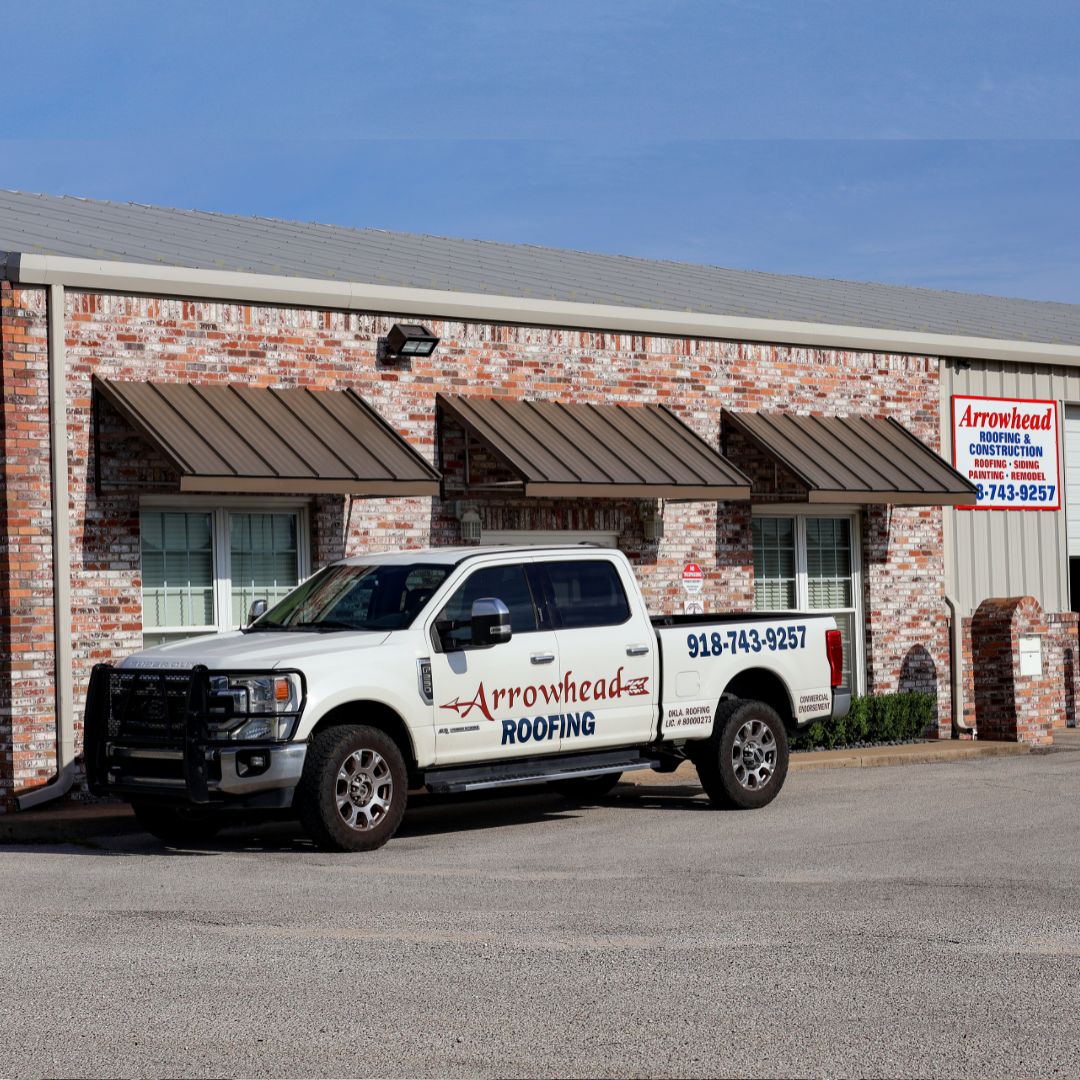
Navigating the complexities of roofing decisions is easier with a trusted local expert. Arrowhead Roofing, serving Tulsa and its surrounding areas since 1987, brings decades of experience to guide you every step of the way.
Expertise in Tulsa’s Climate
With years of experience in Tulsa, Arrowhead Roofing understands how local weather impacts roofing systems. This firsthand knowledge allows us to recommend materials based on actual performance, not just manufacturer claims.
Recognition and Credentials
Arrowhead Roofing is proud to have earned the GAF President’s Club Award in June 2025, placing us among the top 1–2% of roofing contractors nationwide. We’re also certified by CertainTeed® as a SELECT ShingleMaster™ and authorized to install products from Berridge Manufacturing, Metal Sales, Inc., and Decra Stone-Coated Steel. These credentials allow us to offer extended warranties and access to premium materials.
Comprehensive Services
We offer free roof inspections and detailed estimates, ensuring you can make decisions without upfront costs. Our team takes the time to assess your property, understand your needs, and explain how different roofing options will perform for your specific situation.
Recent customer feedback highlights our commitment to quality. In June 2025, Derek Hefley praised us for providing an unbeatable price, working directly with his insurance company, and delivering top-notch craftsmanship. He also appreciated our proactive follow-up, which included advice on potential insurance premium savings a year after installation.
Flexible Financing and Insurance Support
We partner with Hearth® to offer flexible financing, including no interest if paid in full within 12 months. Our extensive experience with insurance claims is especially valuable in storm-prone Tulsa, helping you navigate claims if your roof suffers damage.
"As a GAF Master Elite roofing contractor and factory-certified roof installer, we adhere to a stringent standard of quality, expertise, and reliability."
Proven Results
Arrowhead Roofing has installed over 21,889 roofs and earned more than 353 five-star reviews. With a 4.9 average rating from 561 reviews, customers consistently praise our professionalism, efficiency, and attention to detail. Anthony James, a customer in June 2025, shared his satisfaction with our team’s timely, clean, and professional work on his new roof.
Warranty Options
We stand by our work with robust warranties, including a 1-year warranty on paint and repairs, a 5-year warranty on roof replacements, and manufacturer-backed options like GAF’s Golden Pledge (25 years) and Silver Pledge (10 years) for workmanship. Material defect coverage extends up to 50 years.
Contact Arrowhead Roofing at (918) 743-9257 for a free consultation today.
Deciding between standing seam and corrugated metal roofing depends on your priorities, budget, and long-term goals. Both options are built to last and handle harsh weather conditions, but they cater to different needs and styles.
If you’re looking for a premium roofing solution, standing seam metal roofs are a top-tier choice. With costs ranging from $10 to $16 per square foot, these roofs feature concealed fasteners and a sleek, modern design. They offer 30–50 years of durability with minimal maintenance. Their streamlined appearance works perfectly with contemporary designs, and their superior weather resistance makes them a strong contender for Tulsa’s unpredictable storms.
On the other hand, corrugated metal roofs are a budget-friendly alternative, typically priced between $7 and $12 per square foot. While their exposed fasteners mean more frequent upkeep, they can still last 15 to 30 years with proper care. Their rustic, classic look complements a variety of architectural styles, and the simpler installation process helps keep costs manageable.
It’s worth noting that installation costs make up 60%–70% of the total expense. To ensure the longevity and performance of your roof, professional installation is a must.
For homeowners in Tulsa, where severe weather is the norm, working with an experienced local contractor is crucial. Arrowhead Roofing brings decades of expertise in both standing seam and corrugated metal systems, along with a deep understanding of the region’s unique weather challenges. We’re here to help you choose the roofing solution that fits your specific needs.
Ready to get started? Call Arrowhead Roofing at (918) 743-9257 to schedule a free consultation. Our team will guide you through your options and recommend the best system to maximize the value of your investment.
Standing seam metal roofs are known for requiring less upkeep thanks to their concealed fasteners. This design feature helps minimize issues like leaks, rust, and corrosion. Plus, their sleek surface makes inspections and cleaning a breeze. With proper care, these roofs are incredibly durable, often lasting 40 to 70 years.
On the other hand, corrugated metal roofs come with exposed fasteners, which need more frequent attention to stay watertight. These exposed areas are more susceptible to rust and wear, meaning occasional repairs might be necessary. While still dependable, corrugated roofs typically last 30 to 45 years and may require more regular maintenance to reach their full potential.
In Tulsa’s warm climate, standing seam metal roofs are a popular choice for their energy-saving qualities. These roofs feature smooth, interlocking panels with reflective coatings that help minimize heat absorption. The result? Cooler indoor temperatures and reduced air conditioning costs during those sweltering summer months.
Corrugated metal roofs are another energy-efficient option. Their reflective surfaces can cut heat transfer by as much as 45–50%, making them a solid contender for energy-conscious homeowners. However, standing seam roofs often outshine corrugated ones when it comes to energy efficiency, thanks to their more advanced design and superior reflectivity.
Both options can help lower your energy bills, but standing seam roofs tend to make a bigger difference, especially during the peak of Tulsa’s summer heat.
When weighing the higher upfront cost of a standing seam metal roof, there are several important factors to take into account. While these roofs are generally more expensive than corrugated metal or asphalt shingles, their long lifespan is a standout feature. With proper care, a standing seam roof can last over 50 years, offering solid long-term value.
Another major benefit is their durability. These roofs are built to handle tough weather conditions, including strong winds, heavy rain, and hail. On top of that, their sleek and modern design can boost your home’s curb appeal, making them a go-to option for homeowners who want both functionality and style. Plus, their design contributes to energy efficiency – the raised seams help regulate temperature, which could lead to lower energy bills over time.
Although the initial cost is higher, the combination of durability, longevity, and energy savings might make it a smart choice depending on your property’s needs and your vision for the future.
